Unfollow, Unplug, Unleash: Why America's Elite Athletes Are Ditching the Algorithm Game
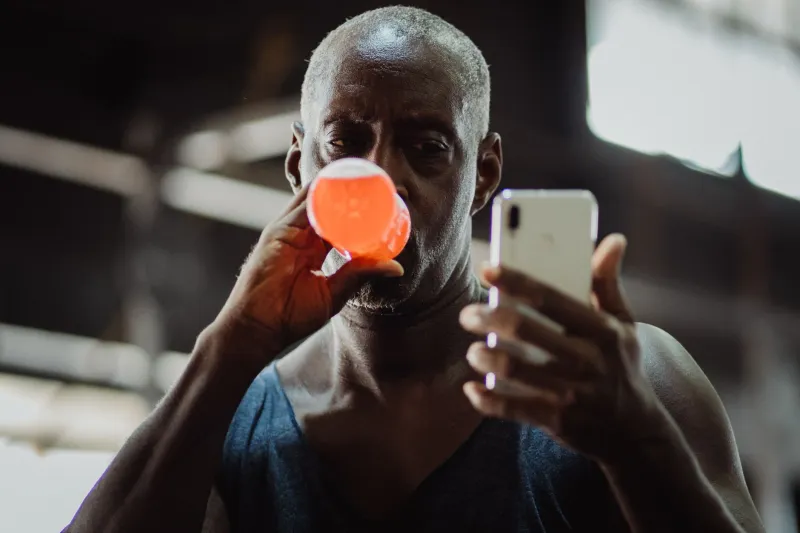
Scroll through any major athlete's Instagram or X feed right now and you might notice something a little off. The posts are still there. The highlights, the brand deals, the motivational captions — all present and accounted for. But if you've been following closely, you might sense a certain distance to it. A polish that feels almost corporate. A timing that's a little too precise.
That's not an accident.
Across professional sports in America — the NFL, NBA, MLB, you name it — a quiet but real rebellion is underway. Athletes at the top of their games are stepping back from the raw, reactive social media culture that defined the last decade and replacing it with something more intentional, more controlled, and frankly, a lot healthier.
The Hamster Wheel Nobody Talks About
Here's the thing about social media algorithms that most fans don't fully appreciate: they don't care about you. They care about engagement. Likes, comments, shares, outrage, drama — the platforms are engineered to reward the content that keeps eyeballs glued longest, regardless of whether it's good for the person posting it.
For athletes, that creates a genuinely strange pressure. You've put in six hours of training, your body is wrecked, and somewhere in the back of your mind you're calculating whether your last post hit enough engagement to stay relevant. Studies on athlete mental health have increasingly flagged social media comparison and online criticism as significant contributors to anxiety and burnout — topics Green Roads Sports has explored before in the context of performance longevity.
The mental load is real. You're not just an athlete anymore. You're a content creator, a brand ambassador, a public relations department, and a customer service rep all rolled into one, with zero days off.
Something had to give.
Enter the Brand Strategist
One of the clearest signs of this shift is the explosion of athlete-focused content strategy firms popping up across cities like Los Angeles, New York, and Atlanta. These aren't the old-school PR agencies that managed crisis communications for scandals. These are specialized outfits built specifically to handle an athlete's digital presence the same way a financial advisor handles their portfolio — with long-term thinking and strategic discipline.
The pitch is simple: let professionals manage the algorithm game so you can focus on the actual game.
What that looks like in practice varies. Some athletes hand over posting schedules entirely, approving content in batches rather than reacting in real time. Others use strategists to filter and curate which partnerships are worth engaging with online versus which ones drain energy without meaningful return. The goal isn't to go dark — it's to be present on their own terms rather than the platform's terms.
For younger athletes especially, this is a meaningful mental health intervention dressed up in business language. Less doom-scrolling through comment sections. Less measuring self-worth in follower counts. More bandwidth for recovery, preparation, and the actual work that got them to the top.
Building the Moat: Athlete-Owned Communities
Beyond just managing existing platforms more strategically, a growing number of athletes are going a step further — building direct-to-fan communities that operate entirely outside traditional social media ecosystems.
Think paid newsletters, private Discord servers, subscription apps, and exclusive podcast feeds. The underlying logic is straightforward: on Instagram or TikTok, an athlete with five million followers might reach 3% of them organically on any given post thanks to algorithmic throttling. On a platform they own or control, every message gets delivered, every time.
It's the same reason independent musicians started embracing Substack and Bandcamp. The middleman — in this case, the algorithm — takes too big a cut, both financially and psychologically.
Some athlete-owned platforms have gotten sophisticated fast. We're talking premium content tiers, behind-the-scenes access during training camp, Q&A sessions, even merchandise drops exclusive to community members. The fan experience is genuinely richer, and the athlete earns more per engaged fan than they ever would chasing viral moments on a platform that monetizes their content for its own shareholders.
Financially, it's not a small deal either. Direct community revenue can be more predictable and brand-safe than chasing sponsorship deals that depend on maintaining a certain public image on platforms where context collapses overnight.
What This Means for Sports Media
Here's where it gets interesting for anyone who covers sports for a living. Traditional sports media — beat reporters, national outlets, TV networks — has spent years relying on athlete social media activity as a free content pipeline. A cryptic tweet becomes a news story. An Instagram story becomes a headline. An athlete's online meltdown becomes a week's worth of hot takes.
If athletes are increasingly controlling that pipeline, or shutting it off entirely, the old model gets complicated fast.
Some journalists have already noticed that getting genuine, unfiltered access to athletes is harder than it used to be. Not because athletes are less willing to communicate, but because there are more layers between the authentic moment and the public. That's a real change in how sports stories get told.
On the flip side, the athletes who do manage their own direct communities are potentially creating a new kind of sports media from the inside — one where they control the narrative entirely. That's a power shift with long-term implications that the industry is still working out how to respond to.
The Performance Connection
Here at Green Roads Sports, we tend to come back to one question when we look at trends like this: does it make athletes better?
The honest answer seems to be yes — at least for the athletes who are thoughtful about it. Removing the psychological friction of constant online performance appears to correlate with better focus, lower reported anxiety, and a healthier relationship with the competitive pressure that already defines life as a professional athlete in America.
It's not a magic fix. Plenty of athletes still use social media casually and healthily. But the ones making deliberate, strategic choices about their digital lives seem to be building something sustainable — both as brands and as competitors.
The algorithm was never designed with athletic performance in mind. It was designed to sell advertising. The fact that it took this long for athletes to push back might be the real story here.
The Takeaway
This isn't athletes going off the grid. It's athletes finally treating their mental and digital energy the same way they treat their physical conditioning — as a resource worth protecting.
The platforms aren't going anywhere. Neither are the sponsorships, the fan bases, or the cultural weight that comes with being a professional athlete in the social media era. But the terms of engagement? Those are being rewritten, one strategic unfollow at a time.
And honestly? It looks a lot like the healthiest thing to happen to athlete culture in years.