From Sidelines to Spotlight: The Wild New Science Behind How America's Elite Athletes Are Healing Faster Than Ever
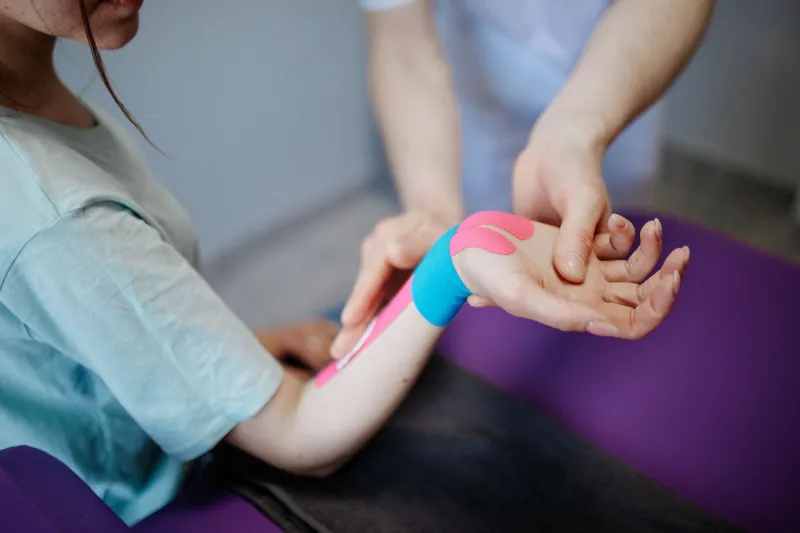
Not that long ago, a torn ACL was basically a career sentence. A busted shoulder meant months of sitting in a recliner, watching your teammates grind while you iced, stretched, and prayed. Recovery was slow, often brutal, and — let's be honest — kind of boring.
But something has shifted in a big way. Across the NFL, NBA, MLB, and beyond, athletes are returning from injuries that once seemed catastrophic, and they're doing it faster, stronger, and more prepared than anyone thought possible. The secret? A cocktail of next-level science, nature-forward supplements, and a completely rethought approach to what it means to heal.
Here at Green Roads Sports, we're always looking for the stories behind the stories — and right now, the recovery room might just be the most interesting place in American sports.
Cold, Hard Results: Cryotherapy Takes Center Stage
If you've followed any major American athlete on social media in the last few years, you've probably seen the footage — someone stepping into what looks like a sci-fi pod, surrounded by a cloud of nitrogen vapor, temperature dropping to somewhere around -200°F. That's whole-body cryotherapy, and it's become one of the most talked-about tools in the modern athlete's recovery arsenal.
The idea is straightforward: extreme cold triggers the body's natural healing responses, reducing inflammation and flushing out the metabolic waste that builds up after intense training or injury. LeBron James has been vocal about his use of cold therapy for years. Several NFL teams have installed cryo chambers right in their facilities. Even college programs are starting to take notice.
But cryotherapy isn't just a celebrity trend — the data is starting to back it up. Sports medicine researchers have noted measurable reductions in muscle soreness and faster return-to-play timelines for athletes who incorporate cold therapy regularly. It's not a magic bullet, but as part of a broader recovery strategy, it's proving to be a genuinely useful tool.
Stem Cell Science: The Frontier Nobody's Talking About Enough
Here's where things get really interesting. Stem cell therapy — once the stuff of science fiction — is quietly becoming a legitimate option for athletes dealing with cartilage damage, tendon injuries, and joint deterioration. The concept involves harvesting the body's own regenerative cells and injecting them directly into damaged tissue, essentially turbocharging the natural healing process.
Several high-profile American athletes have reportedly explored stem cell treatments abroad, where regulations differ from the FDA's current stance in the US. But domestic research is accelerating. Orthopedic specialists at major sports medicine centers across the country are conducting trials, and the early results are compelling enough that the conversation has moved from "if" to "when" in terms of mainstream adoption.
For athletes who've been told surgery is their only option, this kind of regenerative medicine represents something genuinely game-changing — a potential path that preserves the body rather than cutting into it.
Going Green: Plant-Based Recovery and the Supplement Revolution
This is where Green Roads Sports gets particularly fired up, because the shift toward plant-based recovery solutions is one of the most exciting developments in the athletic world right now.
More and more American athletes — from marathon runners to defensive linemen — are turning to natural, plant-derived supplements to support their recovery. CBD products derived from hemp have exploded in popularity since the 2018 Farm Bill opened the door to legal use. Athletes report using them to manage inflammation, improve sleep quality, and take the edge off the kind of chronic discomfort that comes with playing professional sports at the highest level.
Beyond CBD, there's a growing focus on adaptogenic herbs like ashwagandha and turmeric, along with tart cherry extract (a natural anti-inflammatory), magnesium-rich foods, and omega-3-heavy plant sources like flaxseed and algae-based supplements. The NFL removed CBD from its banned substances list. The shift is real, and it's accelerating.
The appeal isn't just about avoiding pharmaceutical side effects, though that's part of it. It's about working with the body's natural systems rather than overriding them. For a generation of athletes who are thinking seriously about long-term health — not just this season's performance — that philosophy resonates deeply.
The Mental Game: Recovery Isn't Just Physical
Here's the part that often gets glossed over in the highlight reels: getting hurt is mentally devastating. The psychological toll of a serious injury — the fear of re-injury, the identity crisis that comes from being suddenly sidelined, the grind of months of rehab — can be just as debilitating as the physical damage itself.
Forward-thinking sports organizations are finally addressing this head-on. Teams across major American leagues now employ sports psychologists as core members of their medical staff, not optional add-ons. Mindfulness training, visualization techniques, and cognitive behavioral strategies are being woven into rehab programs from day one.
Kobe Bryant famously used visualization as a central pillar of his training regimen. Kevin Durant has spoken openly about the mental work required during his Achilles recovery. The message from elite athletes is becoming increasingly clear: if you're not training your mind alongside your body, you're leaving recovery potential on the table.
Meditation apps, guided breathing exercises, and even virtual reality exposure therapy (helping athletes mentally simulate game scenarios before they're physically ready to return) are all being explored by teams that want to cover every angle of the comeback story.
Personalized Protocols: One Size Fits Nobody
Maybe the biggest shift of all is the move away from cookie-cutter rehab programs. For decades, recovery followed relatively standardized timelines — X weeks for a hamstring, Y months for a broken bone. But sports science is increasingly recognizing what athletes have always known intuitively: every body is different.
Genetic testing, wearable biometric technology, and AI-powered data analysis are allowing medical teams to build genuinely individualized recovery roadmaps. A player's sleep patterns, nutrition biomarkers, inflammatory response rates, and even their psychological readiness are all factored into modern return-to-play decisions.
This isn't just about getting athletes back faster — it's about getting them back better, with a reduced risk of re-injury. And in a sports landscape where a single injury can derail a franchise's entire season, that kind of precision matters enormously.
The Road Ahead
American sports culture has always celebrated the comeback story. From Willis Reed limping onto the court to Tiger Woods winning the Masters years after back surgery, we love watching athletes defy the odds. What's changing now is that the odds themselves are shifting.
The combination of technological innovation, natural recovery approaches, and a more holistic understanding of what the human body needs to heal is creating a new era for sports rehabilitation. Athletes who once faced career-ending diagnoses are finding paths back that simply didn't exist a decade ago.
At Green Roads Sports, we'll keep following these stories — because the journey from the injury table back to the playing field is one of the most compelling narratives in all of sports. And right now, that journey is getting more fascinating by the day.